Experienced Tree Removal Free Consultation
Learn About Essential Tree Service Practices for Best Tree Maintenance
Knowing how to care for trees is essential for ensuring ecological wellness. Key practices including mulching and trimming play significant roles in enhancing tree health. Additionally, correct irrigation methods are essential for root establishment. Yet, most people miss the symptoms of sick trees and the importance of hiring professionals. Exploring these aspects can lead to a deeper appreciation for trees and their care. What steps can one take to help their trees grow strong?
Recognizing Why Tree Health Matters
Knowing why tree health is crucial is essential, as trees are key players in preserving the ecosystem's equilibrium and improving city settings. Strong trees assist with the quality of the air, offer cooling shade, and provide refuge for nature. They also help mitigate climate change by absorbing CO2, proving their necessity for a sustainable environment.
In city environments, properly cared-for trees improve aesthetics, increase property values, and promote community well-being. Having trees can lessen heat island effects in cities, which saves money on energy.
Ignoring tree maintenance, conversely, can lead to illness, insect problems, and structural instability, posing risks to both the trees and surrounding infrastructure. Therefore, knowing the markers of tree well-being, for example, leaf hue, its development rate, and the tree's outer layer, is essential for proper care. In conclusion, promoting tree health helps more than private yards but also the broader ecosystem, emphasizing the need for proactive care and maintenance techniques.
Vital Trimming Practices
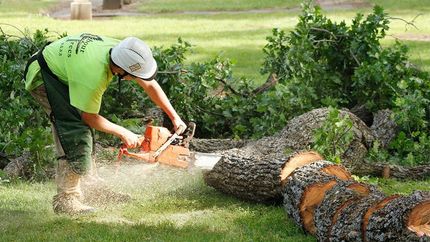
Cutting branches is a vital method in tree care that promotes strong growth and vitality, as it takes away unhealthy branches learn about this and enhances air flow within the canopy. Using the right methods guarantees that trees can grow well in their setting.
An essential practice is "thinning," which means taking off certain branches to improve sunlight exposure and reduce weight on weaker limbs. 'Heading cuts' is a different technique, where the terminal buds are removed to encourage thicker growth, particularly for young trees. Additionally, the process of 'crown reduction' decreases the size and reach of a tree while maintaining its natural shape.
When to prune is key; pruning during the dormant season minimizes stress and promotes better wound closure. Tools should be sharp and clean to prevent injury and infection transfer. Grasping these critical pruning practices is crucial for any tree care professional who seeks to keep healthy and beautiful trees.
Identifying Common Tree Diseases
How do tree owners identify the symptoms of frequent ailments that put their trees at risk? Familiarity with key indicators is vital for quick spotting and intervention. Common indicators include foliage that is off-color or limp, suggesting potential fungal issues or a lack of necessary nutrients. Abnormal formations, for example, galls and cankers, can signal the presence of pests or diseases that harm the tree's vitality. Additionally, sap running out or bark flaking off may indicate infections that need prompt care.
Arborists should look for changes in tree structure, including leaf drop or branch dieback, which could signify a more severe underlying issue. Watching for evidence of bug problems, for instance, sawdust or bark holes, is necessary too. By remaining vigilant and proactive, owners are able to spot these frequent ailments and get the right solutions, ensuring their trees remain healthy and vibrant throughout the seasons.
The Role of Mulching in Tree Care
Applying mulch is a vital method in tree care, giving various benefits that foster robust growth and resilience. It means spreading a layer of inorganic or organic matter around the base of a tree, which helps retain soil moisture, preventing weed growth, and moderating temperature fluctuations. The mulch covering does more than minimize competition from invasive plants but also boosts the visual appeal of the yard.
Moreover, natural mulching materials, for example, bark or chips, decompose over time, providing essential nourishment and bettering its texture. This continuous action helps roots establish and creates a more robust setting for the tree. Furthermore, mulch application minimizes the erosion of soil, thereby stabilizing of the tree’s root system. Properly applied mulch needs to be arranged in a donut shape, avoiding direct contact with the trunk to avoid rotting. In summary, integrating mulch application into tree care routines considerably contributes to the long-term health of trees.
Optimal Watering Methods for Trees
Good tree maintenance demands more than just mulching but also proper watering practices to ensure optimal growth and health. Trees, specifically new plantings, need consistent moisture to establish strong root systems. Deep hydration is crucial, as it helps roots push deeper where moisture is more consistent. Preferably, trees need roughly one inch of water per week, be it from precipitation or extra irrigation.
Watering should be done at dawn to cut down on evaporation and disease caused by fungi. It is important to avoid overwatering, which often causes root decay and further problems. One must check the soil for moisture before watering; when the top two inches feel dry, then watering is necessary. Furthermore, using a soaker hose or drip irrigation delivers a gradual, continuous stream of water, ensuring that trees receive adequate hydration without the risk of runoff. Correct watering methods significantly aid to the total vitality of trees.
Retaining Specialized Tree Care: When and Why
When assessing the condition and aesthetics of a property, engaging expert tree care may prove essential for homeowners with complicated tree maintenance requirements. Professional arborists possess the expertise to determine tree vitality, recognize pathogens, and execute beneficial procedures. Arborists are also aware of local regulations regarding tree removal and maintenance, guaranteeing compliance and preventing costly penalties
(Stillwater Tree Service)Property owners ought to hire experts when dealing with big trees, especially those close to buildings or power lines, as mishandling creates safety hazards. Additionally, trees requiring pruning for looks or well-being benefit from the skills of trained specialists who can execute precise cuts to promote growth
Routine seasonal work, such as preparing for storms and post-storm tidying, also warrant professional intervention to keep the property safe and appearance. As a result, hiring certified arborists guarantees that trees receive ideal care, thereby enhancing the entire outdoor space and home valuation
Frequently Asked Questions
How Do I Know if My Tree Is Drowning?
Symptoms of excessive watering are yellowing leaves, wilting despite moist soil, root rot, and premature shedding of leaves. In addition, the development of mold or fungus at the tree's base may indicate poor drainage and excess moisture.
What's the Optimal Season for Tree Pruning?
The ideal season for trimming is generally in the cold months before spring before the onset of new foliage - Stillwater Tree Service. Pruning at this time encourages vigorous development and lessens the impact on the plant, allowing for effective healing and maturation
Can Trees Recover From Severe Storm Damage?
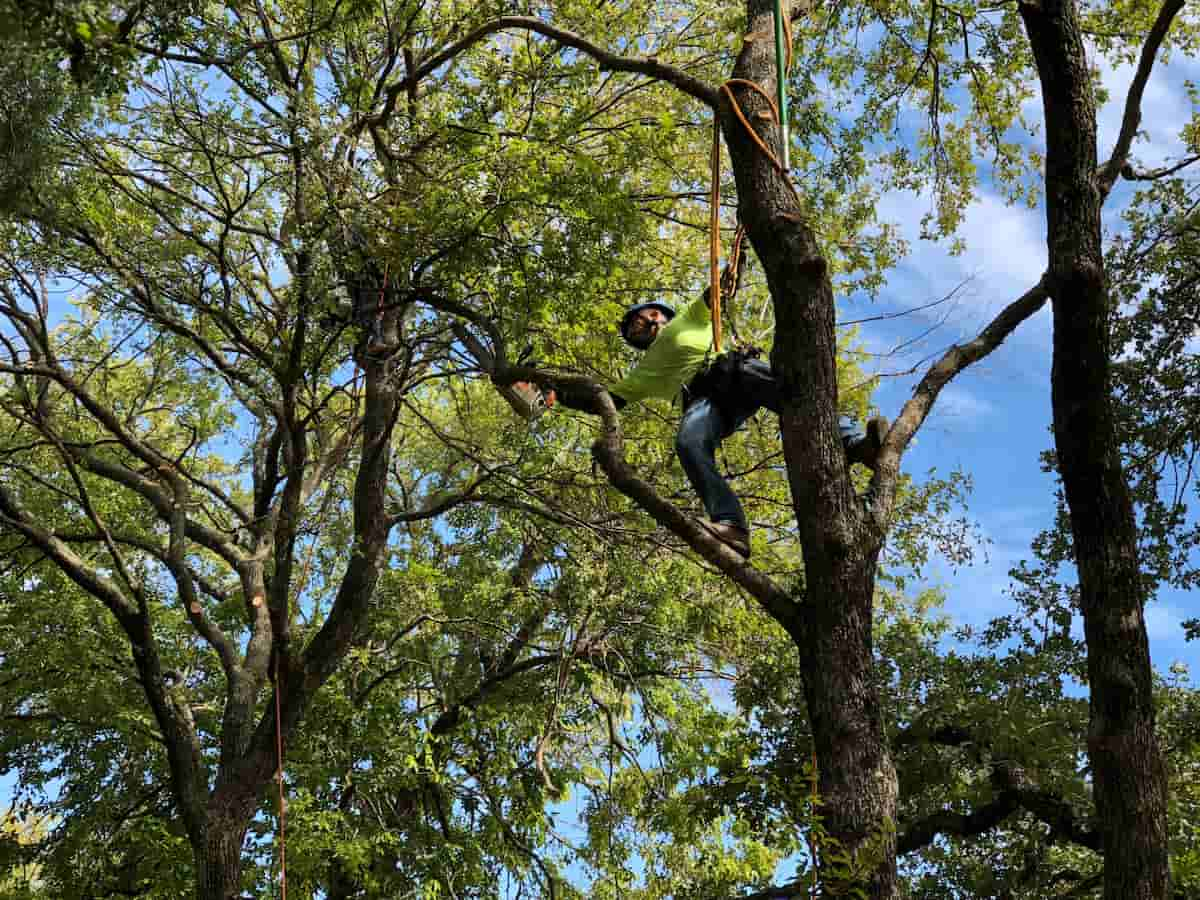
It is possible for trees to bounce back after severe weather. If maintained correctly, like trimming broken branches and providing adequate water and nutrients, a lot of trees can become healthy again and keep growing strong despite enduring major trauma.
What Should I Look For When Choosing the Right Mulch for My Trees?
In order to pick the best mulch, it is best to use organic options for example, bark nuggets or wood shavings, guarantee proper depth of 2-4 inches, and keep mulch away from the tree collar to minimize fungal issues.
Are Some Trees Higher Maintenance Than Others?
Some species, like young trees and fruit-bearing plants, demand more care because they react strongly to environmental shifts and specialized fertilization demands. Frequent checking and specific upkeep methods are essential for their health and flourishing.